Artificial intelligence has never been more accessible.
Today, anyone can open ChatGPT, generate images, create music with Suno, build presentations with Gamma, or summarize documents with NotebookLM within minutes.
Yet despite all the excitement surrounding AI, many people abandon these tools surprisingly quickly.
I’ve noticed this pattern repeatedly.
Someone signs up for a new AI tool.
They try it once or twice.
The results don’t immediately match their expectations.
And within a few days, they’ve moved on.
Eventually, they conclude that the tool was overhyped.
The interesting part is that the problem often isn’t the tool itself.
It’s the expectations people bring to it.
The First Interaction Is Often Misleading
Many AI tools create a strange first impression.
They’re impressive enough to attract attention, but not always impressive enough to immediately change someone’s workflow.
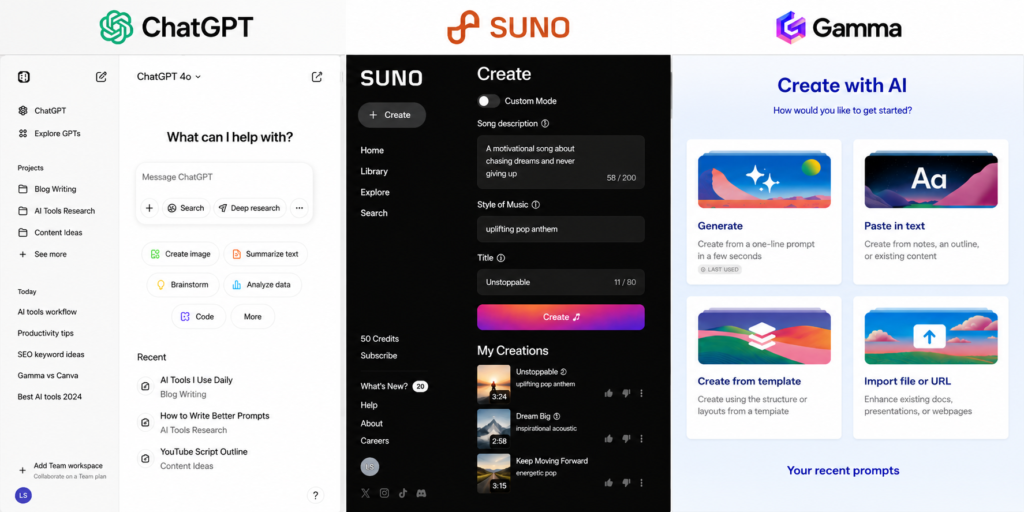
When people first try ChatGPT, they often ask simple questions.
When they try Gamma, they create a quick presentation.
When they try Suno, they generate a song.
The experience is interesting, but it doesn’t always feel transformative.
As a result, many users decide within minutes whether a tool is useful or not.
The problem is that the first interaction rarely reveals the full value of the platform.
Many of the most useful features only become obvious after spending time with the tool.
People Expect Immediate Results
One of the biggest mistakes new users make is expecting instant transformation.
There’s a common belief that AI tools will immediately solve productivity problems.
In reality, most tools require experimentation before they become valuable.
Consider ChatGPT.
Most users start by asking random questions.
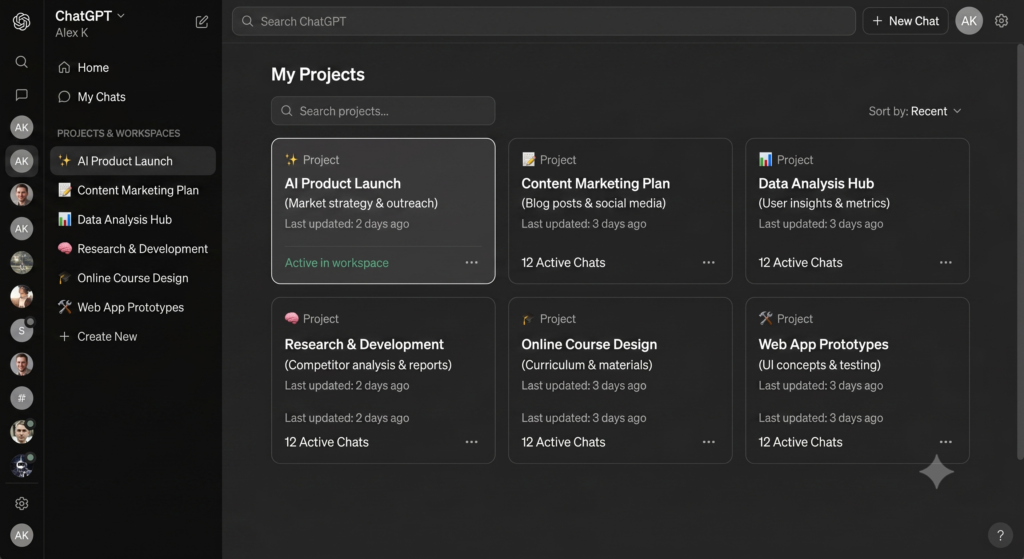
But experienced users often use it for:
- project planning
- writing workflows
- research assistance
- brainstorming
- document analysis
The difference isn’t the tool.
It’s how the tool is being used.
The same pattern appears with nearly every AI platform.
Learning the Tool Takes Time
This may sound obvious, but many people underestimate the learning curve.
Ironically, some users spend more time evaluating a tool than actually learning how to use it.
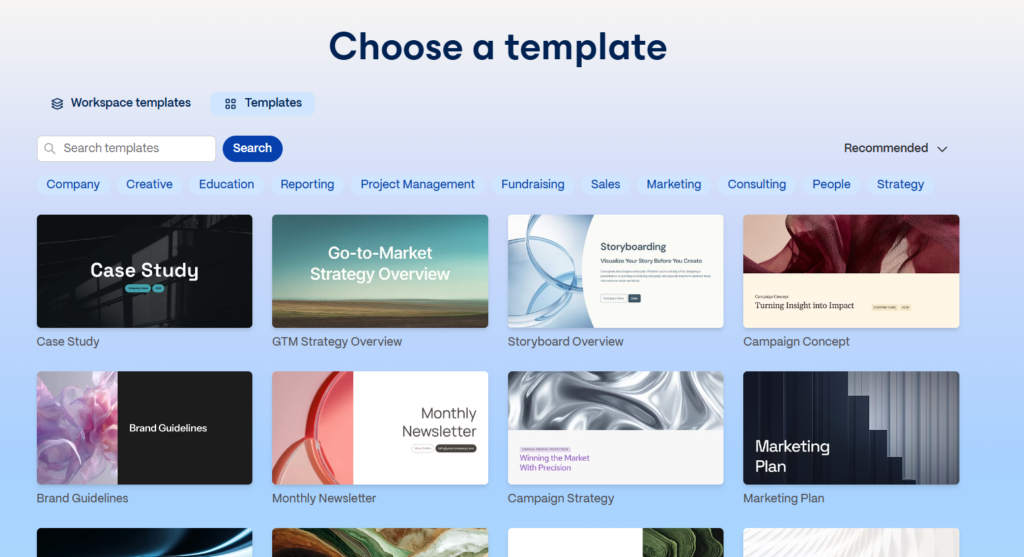
For example, when I first explored Gamma, I saw it primarily as an AI presentation tool.
Later, I discovered that it could also function as:
- a visual document platform
- a lightweight website builder
- a content planning tool
- a knowledge-sharing workspace
Those discoveries didn’t happen on day one.
They happened after spending more time with the platform.
The same applies to many AI tools.
The first use case you discover is rarely the only one.
Not Every AI Tool Is Meant for Daily Use
Another reason people become disappointed is because they expect every AI tool to become part of their daily workflow.
That rarely happens.
Some tools are useful every day.
Others are useful only when a specific need appears.
For example, I find ChatGPT and Canva useful almost every day.
On the other hand, tools like Suno AI may be incredibly impressive while still being something I only use occasionally.
That doesn’t make the tool bad.
It simply means its purpose is different.
Many users mistake occasional usefulness for lack of value.
Social Media Creates Unrealistic Expectations
Social media often makes AI tools look effortless.
A thirty-second video can make a tool appear revolutionary.
What those videos rarely show is the process behind the results.
The prompt writing.
The revisions.
The experimentation.
The failed attempts.
The reality is that productive AI usage often involves far more iteration than social media suggests.
People see the final result and assume the tool should work perfectly on the first try.
When it doesn’t, they become frustrated.
The Most Valuable Features Are Often Hidden
One thing I’ve learned after trying many AI tools is that the headline feature is rarely the reason I continue using the platform.
The feature that attracts attention is often different from the feature that creates long-term value.
For example:
ChatGPT attracted me because of conversational AI.
Projects and file analysis are what keep me using it.
Gamma attracted me because of presentation generation.
Content organization and publishing are what made me stay.
NotebookLM attracted me because of document summaries.
Source-based learning became the feature I appreciated most.
The deeper you explore a tool, the more likely you are to discover the features that actually matter.
The Real Question Isn’t Whether a Tool Is Good
After trying many AI tools, I’ve stopped asking a simple question:
“Is this tool good?”
Instead, I ask:
“Does this tool solve a real problem I have?”
That’s a far more useful question.
A powerful tool can still be useless if it doesn’t fit your workflow.
Meanwhile, a relatively simple tool can become indispensable if it saves time on something you do regularly.
Success with AI often has less to do with technology and more to do with finding the right match between the tool and the problem.
Final Thoughts
Most people don’t quit AI tools because the tools are bad.
They quit because they expect immediate results.
They expect instant productivity.
They expect instant expertise.
They expect instant transformation.
But the most valuable benefits often appear only after spending time with a platform.
The tools that become part of your workflow are rarely the ones that impress you for five minutes.
They’re the ones that quietly solve problems week after week.
Before deciding that an AI tool isn’t useful, it may be worth asking one question:
Have I actually given it enough time?
Frequently Asked Questions
Why do people stop using AI tools so quickly?
Many users expect immediate results and decide too quickly whether a tool is valuable.
Do all AI tools need to be used daily?
No. Some tools are useful every day, while others are valuable only in specific situations.
What’s the biggest mistake new AI users make?
Expecting a tool to transform their workflow without spending time learning how to use it effectively.
How long should I test an AI tool before deciding?
There is no perfect answer, but a few days of experimentation is usually not enough to understand a platform’s full potential.
What matters more: the tool or the workflow?
In most cases, the workflow matters more. The best AI tool is the one that solves a real problem you face regularly.